Blog
Unlocking the Secret of Meaningful Jewelry Gifts: The Ancient Wisdom of Amber, Agate, and Tibetan Silver

A New Era of Gifting: The Quest for Deeper Meaning
From Adornment to Narrative
In today’s world, our expectations for jewelry have evolved far beyond its function as mere decoration. This shift reflects a deeper consumer psychology: people are no longer content with simply displaying wealth or status. Instead, they seek objects that can carry emotion, tell stories, and embody culture. Jewelry, as a enduring form of art, is transforming from a material commodity into a vessel of emotion and a personal statement. This desire for authentic and profound connection is particularly evident in the digital age, where consumers are increasingly drawn to jewelry with a unique history, cultural background, or personal story, turning each piece into a tangible and meaningful keepsake.
Historically, jewelry has long served as a symbol of social rank and affluence. From the protective amulets worn by ancient Greek and Roman nobility to the family heirlooms used as a dowry during the Renaissance, and the late 19th-century rise of the diamond engagement ring as a symbol of marital commitment, jewelry’s value has long been tied to material wealth and social standing.1 However, as society has progressed, so has the meaning of jewelry. Today’s jewelry purchases, whether for oneself or as a gift, are increasingly driven by psychological factors that fulfill higher-level human needs.
The Psychological Drivers Behind Jewelry Purchases
The act of purchasing jewelry can be understood through various psychological lenses. Using Maslow’s hierarchy of needs as a framework, jewelry satisfies a range of psychological desires, from a sense of belonging to self-actualization. At the “love and belonging” level, jewelry often serves as a marker of relationships, such as engagement rings, anniversary bracelets, or inherited necklaces, symbolizing love, commitment, and family legacy to deepen the emotional bond between people.4
Next, at the “esteem” level, jewelry becomes a symbol of personal achievement and self-worth. In the age of social media, sharing a new jewelry purchase, showcasing a unique style, or collecting “likes” can all satisfy an individual’s need for self-esteem.4 Buying jewelry as a self-reward is also a popular trend, conveying an empowering message of “I deserve this,” and marking personal milestones and achievements.4
Finally, at the pinnacle of “self-actualization,” jewelry is a powerful tool for expressing individuality and unique identity. It allows the wearer to express their authentic self by choosing unique pieces that align with their beliefs, values, and tastes.5 This act of buying is not just about owning an object, but about self-exploration and personal growth.4
Consumer Trends and Their Underlying Motivations
Several core trends in the current jewelry market, such as personalization, sustainability, and the rise of “affordable luxury,” are not random occurrences; they are direct reflections of these psychological needs.7 The strong demand for personalization, which goes beyond simple engraving or adding birthstones, is a direct expression of self-actualization—the desire to create a one-of-a-kind piece that tells a personal story.7 Consumers seek personalization because they want their jewelry to narrate a unique story about themselves.
Similarly, the rise of sustainable and ethical sourcing shows that consumers are connecting their values with brand narratives.7 They want to know the story behind their jewelry, including its material origins and whether its production is ethical, making it a way to integrate personal values into their purchasing decisions and express their identity.
The popularity of “affordable luxury” breaks down the barriers of traditional luxury, making high-quality, well-designed jewelry accessible to more people.7 This allows more individuals to reward themselves with meaningful items, participating in the process of self-actualization and self-affirmation.4
These trends collectively reveal a core truth: modern consumers are not just buying jewelry; they are buying the meaning, stories, and emotional value it carries. This is the central philosophy of our brand: to perfectly fuse the beauty of nature with profound cultural heritage through our three core products—amber, agate, and Tibetan silver—making every gift an eternal testament to precious art.
Amber: Nature’s Eternal Imprint
The Origin of a Gem: A Narrative of Frozen Time
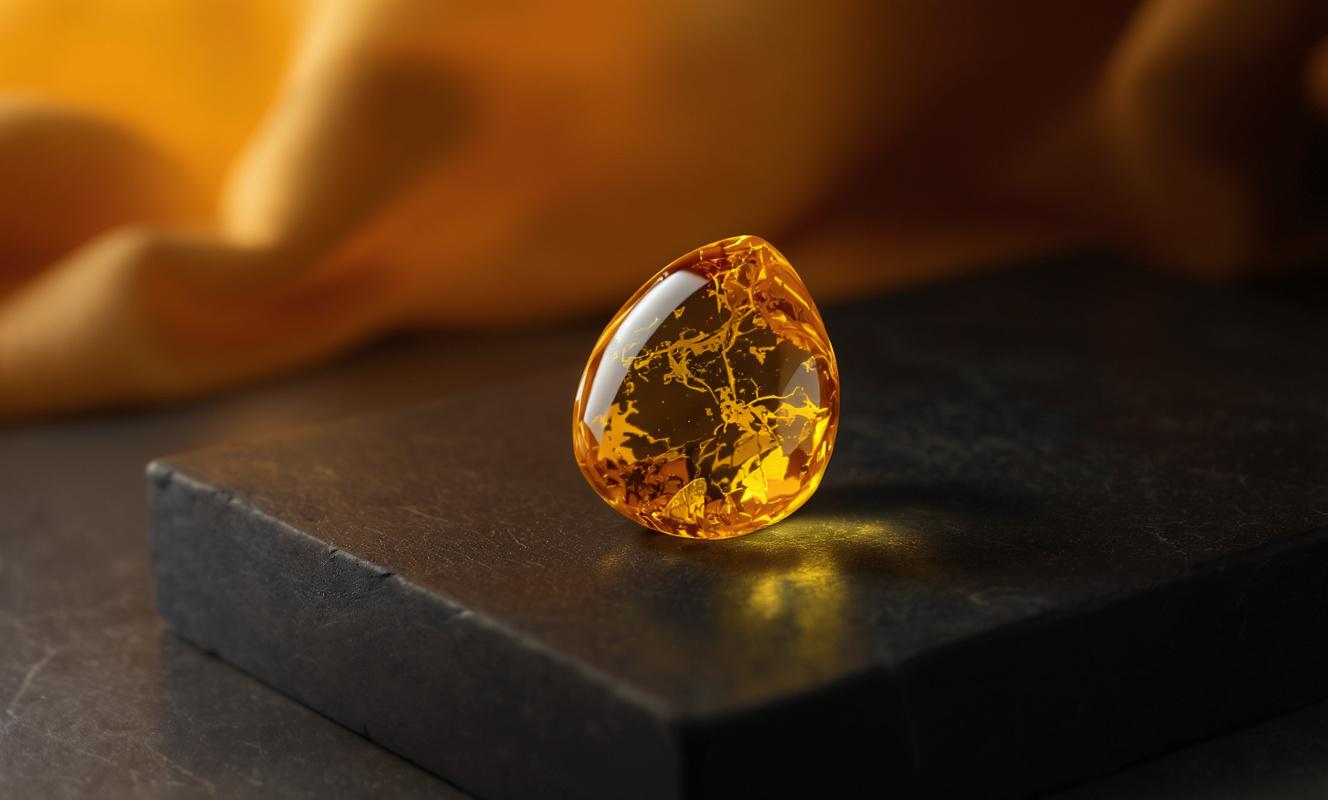
Amber’s origin is an extraordinary story in itself. Not a mineral, it is an organic gemstone, the fossilized resin of ancient, now-extinct trees.8 The formation of amber requires a fossilization process that spans millions of years, a timeframe that far exceeds human life. Its age typically ranges from 5 to 230 million years.8 This unique origin makes amber a living fossil of Earth’s history.
The most prized amber specimens often contain fossilized insects, plants, or other life remnants that were trapped in the sticky resin.8 These inclusions are not just rare decorations; they are “snapshots of the past” or “natural time capsules” that provide scientists with valuable information to reconstruct climatic conditions from millions of years ago.8 This ability to freeze a moment of ancient life gives amber a unique sense of mystery and philosophical depth.
Ancient Legends and Cultural Heritage
Amber has left a deep mark on cultures around the world, and its myths and legends imbue it with a value that far surpasses its physical properties. In ancient Greece, Ovid recounted the story of Phaethon, the son of the sun god Helios.11 When Phaethon lost control of his father’s sun chariot and was struck down by Zeus, his grieving sisters transformed into poplar trees, and their tears crystallized into amber.12 This myth gave amber a sense of divine sorrow and the brilliance of the sun, leading the Greeks to call it ‘electrum,’ meaning “sun”.11
In Norse mythology, amber is closely associated with Freyja, the goddess of love, beauty, and fertility.12 She wore a magical necklace made of amber, symbolizing amber’s role as the embodiment of divine beauty and enchantment.12
In the Baltic region, a more poignant legend connects amber to the tragic love story of Jūratė, the sea goddess, and Kastytis, a mortal fisherman.13 The enraged sea god shattered Jūratė’s amber palace, and its fragments were washed ashore by the waves, becoming the “tears” shed by Jūratė for her lover.12
These cross-cultural legends reveal a profound insight: amber’s true value lies not in its physical hardness (a mere 2-2.5 on the Mohs scale), but in the narratives, history, and mythological significance it carries.8 Unlike the rarity and hardness of diamonds, amber’s value comes from its nature as a “story.”
Gifting a Moment in Time: A Precious Testament
Gifting a piece of amber is not just giving a beautiful ornament; it is presenting a moment of time frozen in history, a profound story of the Earth, gods, and ancient civilizations. Each piece of amber is one-of-a-kind, representing a cherishing of the recipient’s past and a blessing for their future.8 This gift transcends mere material value and becomes a philosophical statement, reminding the wearer to appreciate the present and to connect with the grand narrative of history. It elevates the product from a simple commodity to a meaningful work of art, perfectly aligning with the consumer’s quest for meaningful gifts.
Agate: The Protective Power of Color and Inner Harmony
A Talisman Across Time
Agate’s history as a talisman dates back thousands of years, with its purpose spanning ancient civilizations and belief systems.15 As early as 3500 B.C., ancient Egyptians were mining and carving agate, believing each color held unique energetic properties and using it for healing and protection.16 Ancient Greek warriors wore agate for courage and protection 15, while Romans used it to ward off the “Evil Eye”.2
In many cultures, agate was seen as a charm for good luck, prosperity, and strength.15 Medieval people believed wearing agate brought happiness, enhanced wisdom and eloquence, making it an ideal talisman for business.16 These historical uses demonstrate that agate’s value lies in its perceived psychological and spiritual power.
Every Layer Holds a Deeper Meaning
Agate’s most distinct feature is its unique concentric bands. These layered patterns are not just an aesthetic marvel; they symbolize its inherent power: stability, balance, and inner harmony.16 Wearing agate is believed to balance the body and mind, stabilize emotions, and dispel negative energy.16 This stabilizing and strengthening quality makes it an ideal companion for navigating the stresses and anxieties of modern life.
The rich colors of agate also give gifts a deeper, personalized meaning. Different colored agates carry distinct energies and symbolism, offering a tailored blessing for the recipient.10
Table: The Symbolic Language of Agate
| Agate Variety | Color | Symbolic Meaning and Properties |
| Blue Lace Agate | Light Blue | Brings peace, balance, and inner tranquility.18 Associated with the throat chakra, it helps wearers express their thoughts freely and promotes clear communication.18 |
| Red Agate | Red, Burgundy | Enhances willpower and makes a person more goal-oriented.18 It cleanses negative energy from the aura, infuses positive power, and helps overcome difficulties in love relationships.18 |
| Green Agate | Green | Boosts vitality and strength, helping the wearer make decisions more quickly.18 It is believed to give courage to the wearer.18 |
| Moss Agate | White or Beige with Green Patterns | Harmonizes the inner state and balances yin/yang energy.18 Related to the heart chakra, it boosts self-esteem, brings calm energy, and reminds the wearer to connect with nature.18 |
| Pink Agate | Pink | Relieves stress and brings a sense of comfort and security.18 It restores the heart chakra and is believed to be beneficial for heart diseases.18 |
| Fire Agate | Deep Red, Orange, or Brown | Symbolizes vitality and creativity, with its fiery colors igniting the inner flame.15 It is especially suitable for phases of life requiring introspection and resolution of deep-seated problems.18 |
| Black Agate | Matte Black | Brings calmness and is believed to offer protection and strength against various troubles.17 |
A Promise of Inner Harmony
From ancient times to today, agate has been seen as a talisman, but its meaning of “protection” has subtly shifted. In ancient times, this protection was primarily against external evil forces and dangers.2 In the modern era, agate’s protective power is more about maintaining inner peace. It helps wearers cope with the stress and anxiety of contemporary life, providing emotional stability and self-confidence.16
Therefore, gifting agate is not just about giving a charm; it’s about giving a blessing for inner harmony. It symbolizes a form of care and a promise that the recipient will have a resilient spirit, emotional stability, and the courage to face challenges. This positions agate as a daily talisman for modern life, offering support for personal growth and emotional well-being.
Tibetan Silver: A Blessing from the Himalayas
The Soul of Himalayan Art: A Legacy of Blessings
Tibetan silver jewelry is more than just a beautiful accessory; it’s a symbol of the Tibetan people’s profound spiritual beliefs and cultural heritage.3 In Tibetan culture, “Norbu” means “jewel” and equally symbolizes spirituality and wealth.19 Tibetans believe that wearing gold or silver enhances spiritual power and protects against bad omens and evil spirits.3 For this reason, traditional Tibetan jewelry often features gold, silver, turquoise, and coral, used not only for personal adornment but also as sacred offerings to deities.3
These adornments were not limited to decoration; they also served to display a family’s status and wealth at important social gatherings.3 The heavy, ornate necklaces, earrings, and headdresses worn by women were often family heirlooms gifted by the husband’s family, symbolizing the new member’s addition and the family’s prosperity.19
The Language of Symbols: Ancient Wisdom in Modern Form
The essence of many Tibetan silver pieces lies in their exquisite engravings and patterns, with the “Eight Auspicious Symbols” (Tashi Tagye) being the most representative.3 These eight sacred symbols, rooted in Tibetan Buddhism, signify good fortune, protection, and spiritual awakening.20 Integrating these ancient symbols into jewelry design is not just for aesthetic purposes; it’s about bringing the wisdom and blessings of the Dharma into daily life.
Table: The Language of Auspicious Symbols
| Symbol | Tibetan/Sanskrit Name | Symbolic Meaning and Modern Interpretation |
| Precious Parasol | Chattra | Symbolizes freedom from spiritual “heat”—distraction and stress.20 In ancient times, it was a symbol of dignity; in Buddhism, it represents protection from all suffering and harmful forces.21 |
| Golden Fishes | Matsya | Symbolizes freedom, happiness, and abundance.21 The two fish swimming freely represent fearlessness and harmony, reminding people to navigate life’s currents with ease.20 In Chinese culture, the word for fish, yú, sounds like the word for abundance, symbolizing prosperity.21 |
| Treasure Vase | Kalasha | Symbolizes wealth, health, and spiritual abundance.21 The vase, overflowing with the nectar of wisdom, represents the endless gifts of the Dharma, bringing longevity and prosperity.20 |
| Lotus Flower | Padma | Symbolizes purity, enlightenment, and spiritual growth.21 The lotus, which “rises untainted from the mud,” represents the ability to maintain inner purity and thrive even amid life’s challenges.20 |
| Conch Shell | Shankha | Symbolizes the sound of the Buddha’s teachings.21 The resonant sound of the right-turning conch is said to dispel ignorance and delusion.20 |
| Endless Knot | Shrivatsa | Symbolizes eternal harmony and the interconnectedness of all things.21 This interwoven knot, with no beginning or end, represents the interdependence of all phenomena, reminding us that every action has a ripple effect on all existence.20 |
| Victory Banner | Dhvaja | Symbolizes triumph over obstacles and spiritual awakening.21 Once a battlefield banner, it now represents overcoming internal negativity, ignorance, and inner hindrances.20 |
| Dharma Wheel | Dharmachakra | Symbolizes the Buddha’s teachings and proper guidance.21 Its eight spokes represent the “Noble Eightfold Path,” providing an ethical guide for self-cultivation, reminding the wearer to maintain mindfulness and compassion.21 |
From Tradition to Modernity: A Critical Discussion of Material and Meaning
The use of the term “Tibetan silver” in the modern market has significant complexity. While traditional Tibetan silver pieces did contain a high percentage of silver (such as 30% silver mixed with 70% copper, or even 92.5% pure silver), many items today labeled as “Tibetan silver” are actually white non-precious metal alloys.22 These alloys often contain no silver at all and can even include harmful metals like lead and arsenic, which can cause health issues.22 This reality necessitates a shift in focus from the material itself to its cultural and artistic value.
By honestly disclosing this information, a brand can turn this potential conflict into a strength. This approach positions the brand as a trustworthy purveyor of culture, committed to education and transparency. The true value lies not in the physical composition of the material, but in the profound cultural and spiritual symbols it carries. Therefore, gifting a piece of Tibetan silver is about passing on an ancient blessing from a distant land and inviting the recipient to enter a mysterious and ancient world. Its value is derived from its identity as a cultural artifact, not just a piece of metal. This represents a profound shift from material value to cultural value, providing a unique foundation for the brand’s narrative.
The Perfect Fusion: A Legacy of Art and Purpose
A Perfect Fusion of Nature, Culture, and Art
Each piece of jewelry we have explored transcends its function as a simple accessory. They are a perfect fusion of nature, culture, and art. Amber, a testament to Earth’s deep time, connects the wearer to a history that spans millions of years.8 Agate, with its layers of crystallized harmony, offers a sense of inner protection and balance for modern life.16 And Tibetan silver, with its ancient symbols and exquisite craftsmanship, conveys profound blessings and spiritual power from the Himalayan highlands.3
The enduring allure of these pieces lies in their innate narrative quality. Since ancient times, nature-inspired jewelry has been treasured for its symbolic meaning, versatility, and artistry.24 Whether it’s the lotus motifs of ancient Egypt or the floral patterns of the Victorian era, this tradition of blending natural beauty with personal emotion continues to this day.24
The Power of Story: A New Frontier for Brands
Successful brands have moved beyond simply selling products to selling stories and emotions.6 For example, Pandora’s “Be Love” campaign successfully placed emotional connection at the heart of its marketing, while VRAI used compelling narratives to highlight the ethical origins of its products.6 This type of narrative marketing fosters a deeper, non-transactional relationship with consumers.
Our brand embodies this philosophy by offering jewelry with rich cultural and historical narratives. We are not just selling objects; we are selling a story, an emotion, and a legacy. This approach not only attracts consumers seeking meaningful gifts but also builds a brand community based on trust and education, allowing us to stand out in a competitive market.
Conclusion: For a Meaningful Life, Choose a Meaningful Gift
In summary, every piece of jewelry is a statement and the beginning of a story. Our products perfectly blend the beauty of nature with a profound cultural heritage, making every gift a “Perfect Fusion of Nature and Culture, Eternal Witness of Precious Art.” By delving into the myths, history, and cultural meanings behind amber, agate, and Tibetan silver, we have imbued these creations with value that goes far beyond the material. We offer a unique gift that resonates with the wearer, accompanies their growth, and protects their spirit.
In today’s world, giving a meaningful gift is a powerful way to forge a true connection with others. Choosing a piece of jewelry that carries ancient wisdom and a deep story is choosing a work of art that can transcend time, convey emotion, and become an everlasting memory.
